
Why Does Exterior Paint Peel in Cold Climates?
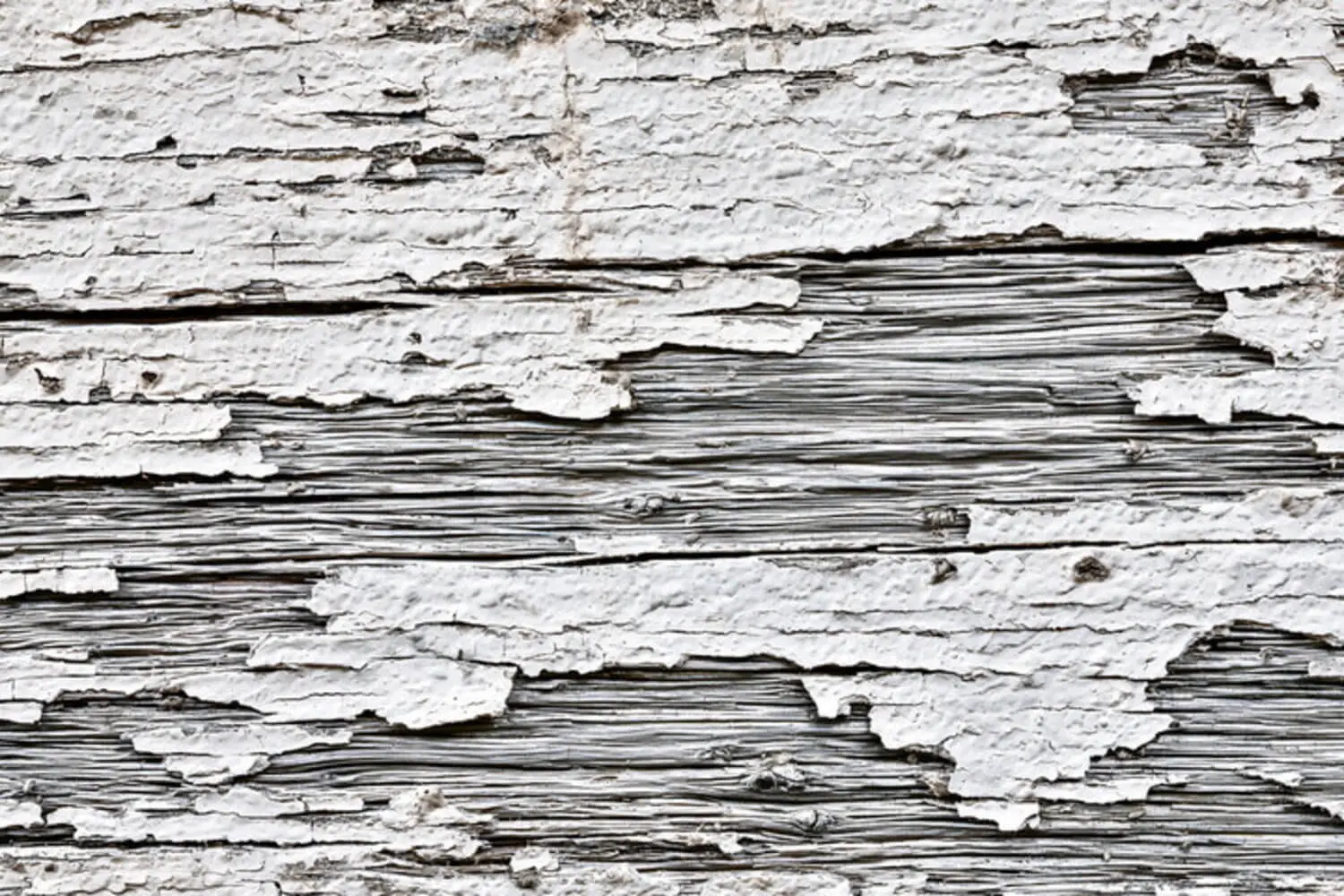
If you’ve walked around your home this spring and noticed paint flaking off the siding, cracking near the trim, or bubbling around a window frame, you’re not alone. It’s one of the most common questions homeowners in Western Massachusetts ask every year, and the frustrating part is that it often shows up on a paint job that isn’t even that old.
The instinctive assumption is that the cold did it. But temperature alone isn’t what tears paint off a house. Something else is happening beneath the surface, something most homeowners never see until the damage is already visible. Understanding what actually causes exterior paint to peel in cold climates is the difference between fixing the real problem and paying to repeat the same failure a few winters from now.
Here’s what’s really going on, why homes in this region face more of it than most, and how to tell whether what you’re looking at is a minor cosmetic issue or a sign that moisture has already gotten in.
Why Does Exterior Paint Peel in Cold Climates? It Comes Down to Trapped Moisture
Cold temperatures alone don’t peel paint. Water that has gotten into or under the paint film is the actual cause. When that trapped moisture freezes, it expands, and that expansion physically pushes the paint away from the surface it’s bonded to.
That water doesn’t need a big opening to get in. It can enter through:
- Tiny hairline cracks that formed months earlier and went unnoticed
- Pinholes left by nail heads, staples, or minor surface damage
- Gaps at seams, corners, and joints where two surfaces meet
- Moisture escaping from inside the house through the wall assembly
Most homeowners assume a recent cold snap caused the damage they’re seeing. In reality, the moisture intrusion usually happened long before winter arrived, sometimes as far back as the previous summer or fall, when a small crack first let water reach the wood underneath.
This is why some homes with fresh paint still peel by spring, while a home with an older paint job on a well-sealed surface can make it through several winters without a problem. The age of the paint matters far less than whether water ever found its way in.
Why New England’s Freeze-Thaw Cycle Makes This Worse for Local Homes
It isn’t one freeze that causes the visible damage you’re seeing. It’s how many times that freeze-and-thaw cycle repeats across a single winter, with each repetition working the paint a little looser than the last.
Inland Western Massachusetts, including the Amherst and greater Hampshire County area, swings above and below freezing far more often through the winter than milder or coastal climates do. In places where temperatures stay more consistently cold, that expansion and contraction happens less frequently. Here, it doesn’t. More swings mean more cycles, and more cycles mean more accumulated stress on the same weak points in your paint.
It’s tempting to blame a single hard freeze for the damage. In practice, it’s usually dozens of smaller freeze-thaw cycles across the season that add up to the peeling you notice once the snow melts.
This is exactly why a paint job that performs perfectly fine in a milder climate can fail within just a few seasons here. The sheer number of freeze-thaw cycles this region goes through each winter works against exterior paint more than most homeowners realize.
Why Older and Wood-Sided Homes in Hampshire County Face More Risk
Older homes and homes with wood siding, common throughout Amherst, Northampton, and the surrounding towns, are more vulnerable to this cycle for a simple reason: wood itself absorbs and releases moisture as humidity and temperature change. That movement happens independently of whatever paint is sitting on top of it.
Wood swells when it takes on moisture and shrinks again as it dries out. If the paint covering it can’t move along with that, the bond between the paint and the wood breaks down faster than it would on a more stable material. Many older homes in this area also carry multiple layers of paint applied over decades of repaints, and each additional layer adds stiffness, which reduces the flexibility of the whole system sitting on the wood.
A newer-looking paint job doesn’t automatically mean lower risk. If it was applied over several older layers on original wood siding, the condition of the wood underneath still matters more than the age of the top coat.
This is part of why two homes on the same street, painted around the same time, can age in completely different ways. What’s underneath the paint plays just as large a role as the paint itself.
Why Paint Quality Determines Whether Your Home’s Exterior Survives the Cycle
Not all exterior paint responds to this stress the same way. Paint formulated with flexible binders, like high-quality 100% acrylic or elastomeric coatings, can stretch and contract along with the surface underneath it without losing its grip. Rigid, lower-grade paint has no give, so it cracks under that same stress instead of absorbing it.
As wood or other siding material expands and contracts through the freeze-thaw cycle, the paint film has to move right along with it. Flexible binders absorb that movement. Brittle ones fracture at the weakest points, usually joints, corners, and seams, which is exactly where homeowners tend to notice peeling start first.
Paying more for a paint job doesn’t automatically mean better protection if the wrong product was used for the surface and the climate. The specific type of paint matters just as much as the brand name or the price tag attached to it.
This is why two paint jobs that look identical on day one can perform completely differently three winters later. The product itself is doing a lot of the work, not just the skill behind the application.
Why Poor Prep and Application Set the Stage Months Before Winter Arrives
A large share of the damage homeowners see in winter was actually set in motion by shortcuts taken during the original application, long before the first freeze ever hit. A few common culprits:
- Painting over wood that wasn’t fully dry
- Skipping primer entirely, or using the wrong one for the surface
- Painting over dirt, mildew, or old glossy paint without proper cleaning
- Failing to sand or scrape loose material before the new coat went on
Paint applied to a surface that wasn’t fully dry, clean, or properly primed never forms a strong bond in the first place. Winter’s freeze-thaw cycle doesn’t create that weakness. It simply exposes and accelerates a weakness that was already there.
A repaint alone won’t solve the problem if the same prep shortcuts get repeated. The new paint job is likely to fail on roughly the same timeline as the last one. This is exactly why understanding the original cause matters before deciding on a fix. A properly prepped and primed surface, paired with the right paint, is what actually breaks the cycle rather than just resetting the clock on it.
If you’re weighing whether a full exterior home painting project is worth it versus a smaller repair, this is usually the deciding factor: whether the underlying prep issue gets addressed this time around.
Why Some Exterior Wear Is Normal and Some Signals a Real Problem
Not everything you notice on your home’s exterior means the paint has failed. General fading, a slight dulling of color, or minor dirt buildup is normal aging and isn’t a sign that anything has gone wrong. Peeling, cracking, bubbling, or paint that comes away in flakes or sheets is a different story. That indicates the bond between the paint and the surface has actually broken down.
A few ways to tell the two apart:
- Fading happens gradually and evenly across a whole wall or surface. Peeling and cracking show up in specific spots, not everywhere at once.
- Fading doesn’t expose anything underneath. Peeling and cracking often reveal bare wood or old paint layers beneath the surface.
- Dirt buildup washes off with cleaning. Peeling and cracking do not go away with a power wash.
It’s easy to put off dealing with a small peeling spot because the rest of the house still looks fine. But even a small area of exposed wood allows moisture to keep getting in, and the damage tends to spread to the surrounding paint over time rather than staying contained.
Knowing this difference helps you decide whether you’re looking at something cosmetic that can wait, or a moisture problem that’s already progressing and worth addressing sooner rather than later. If you’d like some context on typical timelines for this area, our guide on how long exterior paint lasts in Massachusetts is a helpful next read.
Understanding the Cause Is the First Step to a Paint Job That Actually Lasts
Peeling in cold climates almost always comes down to the same combination: trapped moisture, repeated freeze-thaw cycling, and what was happening underneath and during the original paint job. Cold weather is the trigger, not the root cause.
Without addressing what actually caused the failure, a repaint by itself is likely to run into the same problem again on roughly the same timeline, especially on an older or wood-sided home in a climate like ours.
If you’re seeing peeling, cracking, or bubbling on your home and aren’t sure whether it’s something to watch or something to act on, we’re happy to take a look. We serve homeowners throughout Hampshire County and the surrounding communities, and we can walk your property with you, point out what’s actually happening, and help you understand your options before you commit to anything. No pressure, just a clear read on what your home actually needs. Reach out to schedule a free consultation and get an honest answer about what’s going on with your paint.